Copyright 2024 © HappyTours
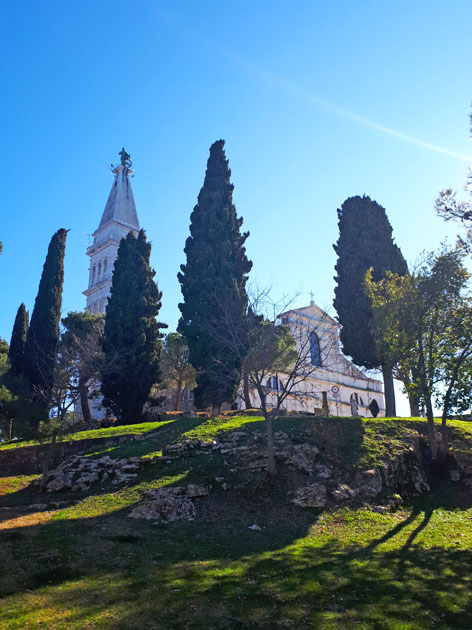
The Church of St Euphemia is a Venetian Baroque structure, the largest and most recognizable monument in town dedicated to its patron saint, St Euphemia.
It has been a place of pilgrimage since 800 AD when, according to the legend, the sarcophagus with the body of St Euphemia, a Chrisitian martyr from Chalcedon tortured and thrown into an arena with lions because of her religion in 304, washed ashore in Rovinj. The body of the saint is kept inside the church.
Rovinj - the most romantic place in the Mediterranean located at the western coast of Istria. Romantic and mysterious offering an array of possibilities for enjoying an unforgettable vacation, Rovinj is and remains a town the vistors want to return to.
The Church of St Euphemia
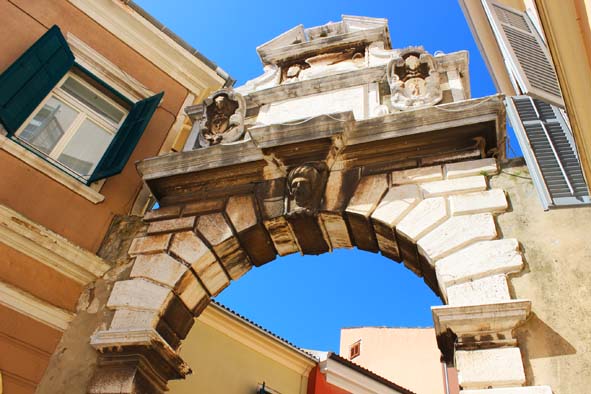
Balbi′s Arch
Rovinj - the old town
Balbi′s Arch is a Venetian structure built on the site of the former main gate to a fortified town. Passing through the arch one enters into the most amazing and interesting part of Rovinj. The old part of the town adorned by windows, porches, portals and steps built in the Romanic, Gothic, Renaissance and Baroque styles offers a beautiful experience.
For more information about Rovinj, visit the Rovinj Tourist Board link:
Rovinj is one of the most picturesque Istrian coastal towns.
This historic town located on a hilly peninsula is characterized by colorful houses, cobblestone streets and alleys, charming squares, art galleries, a lively harbor full of fishing boats, seafront bars and restaurants.
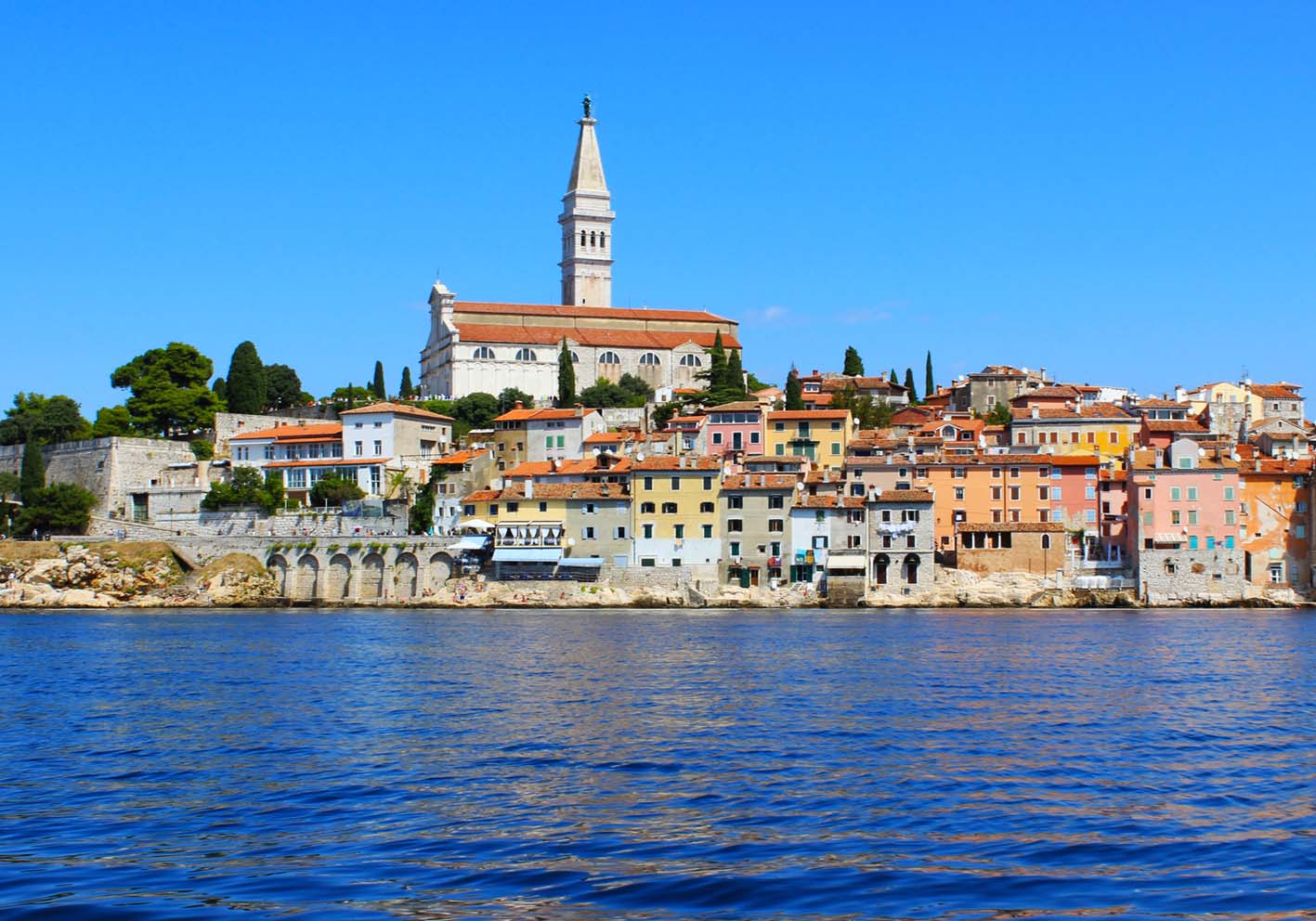
Rovinj was founded on what used to be the Mons Albanus Island. The old town center started devoloping in the 3rd century. At the beginning of the 18th century, the town boundaries started extending beyond the town walls onto the mainland and the channel between the island and the mainland was buried in 1763.
The old town center was proclaimed a cultural monument in 1963.
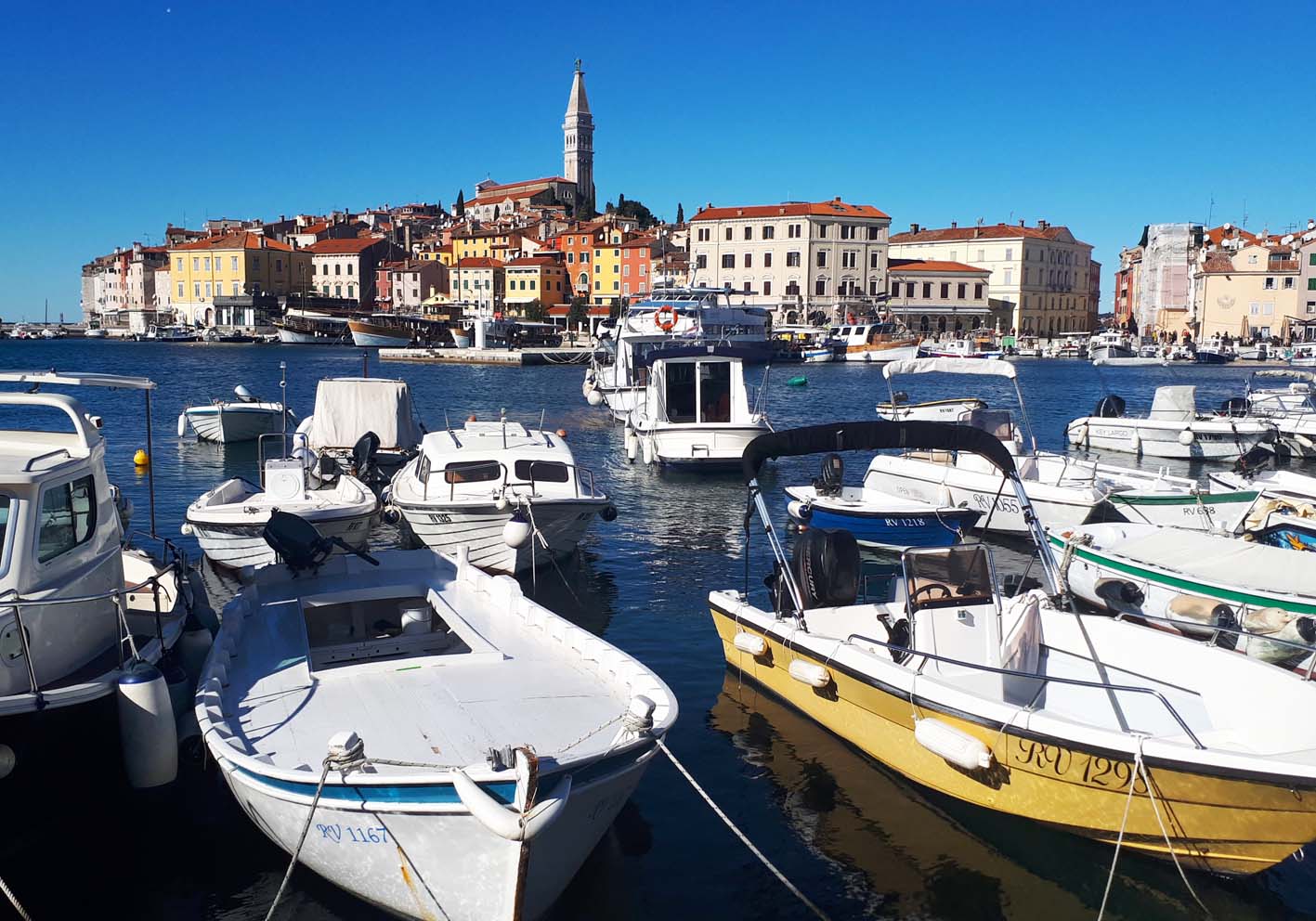
Rovinj's old town and harbor
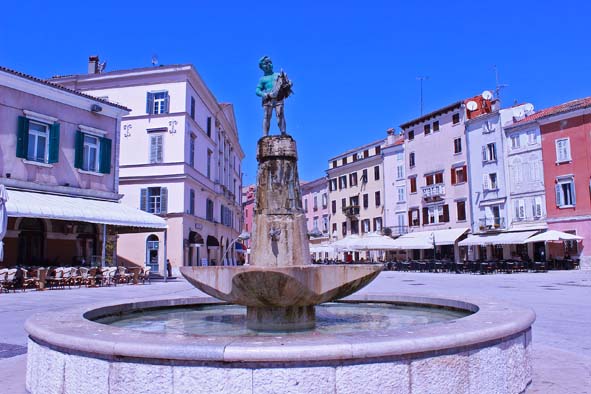
Rovinj town square