Copyright 2024 © HappyTours
Zagreb as we know it today, which is to say its historical centre, dates back to the Middle Ages, and the settlements on two hills: secular Gradec, today known as the Upper Town; and ecclesiastical Kaptol.
The two hills, adversaries in the Middle Ages, were separated by the Medvešcak creek and its mills. The creek valley sat along the presentday street of Tkalciceva and it still runs underneath it, out towards the river Sava.
Zagreb - is the capital and largest city of Croatia.
It is a city that warmly invites all those who wish to get to know it, and a city that will surely fulfill your expectations.
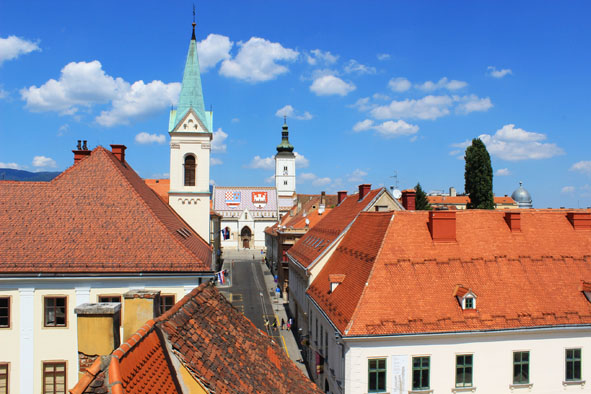
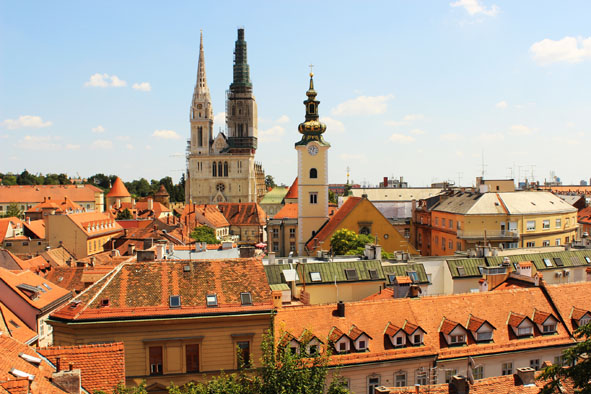
Upper Town - view of St. Mark's Church and the Cathedral
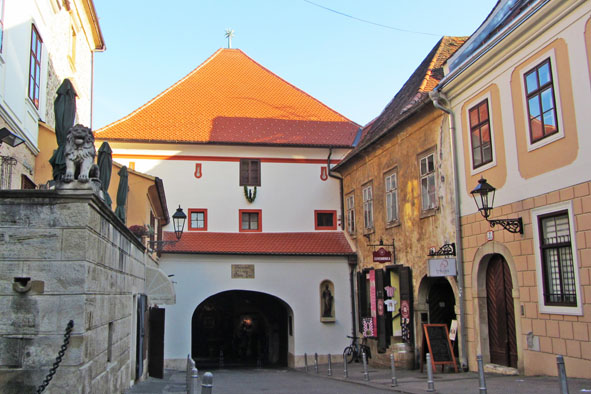
Stone Gate (Kamenita vrata)
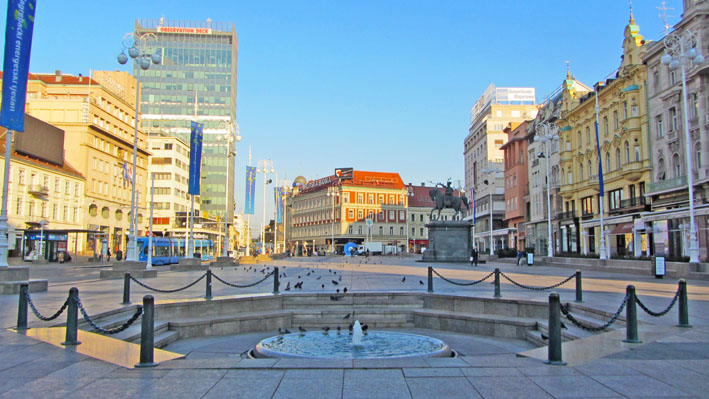
Ban Jelacic Square
The only gate preserved from the Middle Ages, Kamenita vrata, was burned down in the first half of the 18th century. Miraculously, the only thing saved in the fire was an icon of the Virgin Mary that still occupies its prime spot in the wall.
Our Lady of Kamenita Vrata is celebrated as the patron saint of Zagreb and her feast is on the 31st of May when a ceremonial procession is organised. The occasion is also used as the City of Zagreb Day.
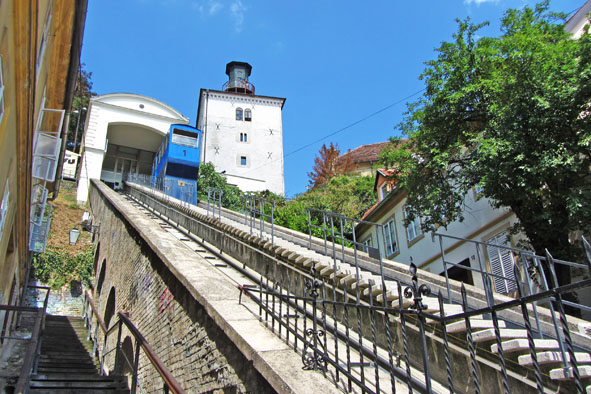
The Zagreb Funicular is the oldest means of public transportation in Zagreb. It links the Lower Town (Donji grad) and Upper Town (Gornji grad) parts of Zagreb.
Since it has kept its original appearance and construction, as well as most of its original technical properties, the Zagreb Funicular is protected as a monument of culture.
For more information about Zagreb, visit the Zagreb Tourist Board link:
The heart of the city and a meeting point for all Zagreb citizens is Ban Jelacic Square (Trg bana Jelacica).
Situated just below the hillside settlements of Kaptol and Gradec, it has served as the city’s commercial heart ever since 1641, when it was designated as a place where fairs could be held. Most of the buildings around the square date from the 19th century, and display a variety of architectural styles.
The Manduševac Fountain was built above a natural spring that provided Zagreb with drinking water right up until the end of the 19th century.
According to legend one sunny day an old Croatian war leader was returning from battle tired and thirsty, and asked a beautiful girl Manda to scoop up some water from the spring for him. The Croatian word for “to scoop up water” is “zagrabiti”. So the spring got the name Manduševac, after the girl, and the town got the name Zagreb after the scoop of water.
Zagreb proudly embraces numerous parks which bring the sense of peace into the everyday rush of its residents.
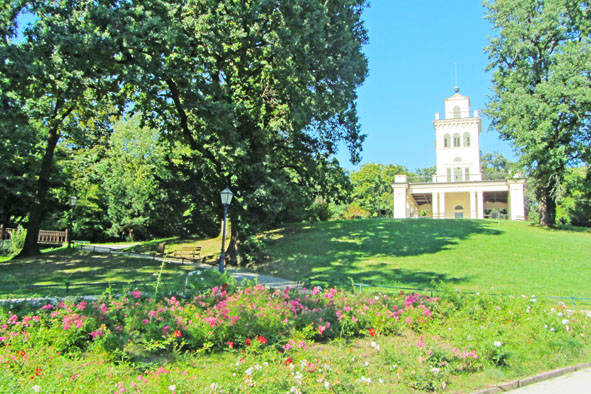
Maksimir is the biggest and most beautiful park in Zagreb and one of the earliest European parks developed according to the original 18th century design. It is a particular pleasure to walk along one of the five lakes or visit the Zoo, which opened in 1925.
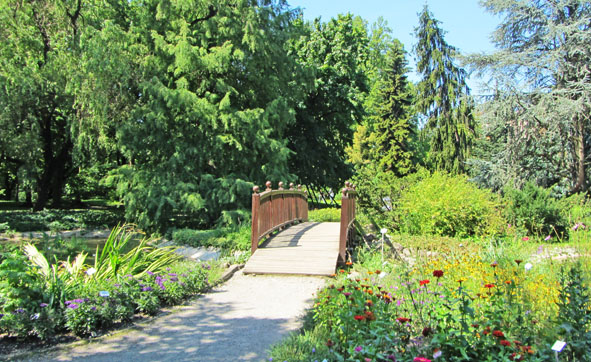
Running parallel to the railway tracks, the Botanical Gardens form the southern part of the green belt known as Lenuci’s Horseshoe. The greenery, the wonderful scents and a general sense of peace constitute a true oasis in the centre of the city.
Funicular and the Lotršcak Tower
Botanical Garden
Maksimir Park
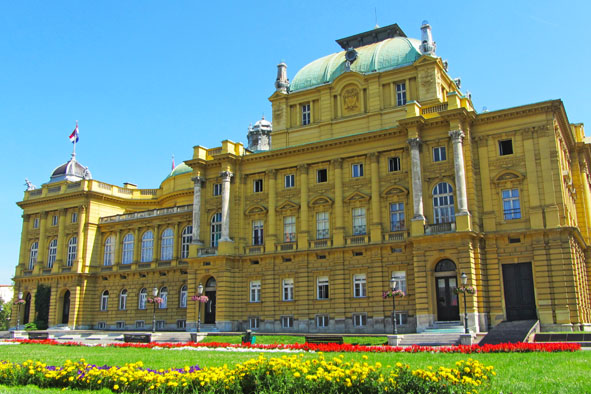
Croatian National Theatre

